
More than a
real estate company.
WAR Studio is where creativity meets West Tennessee. This is the heart of our outside-the-box thinking — a space dedicated to telling stories, not just selling listings.
Here, every property has a soul, and we make sure it’s seen.
WAR × Chêne
Chêne Fest 2026 Ad
This fall, Wendell Alexander Realty is proud to sponsor Chêne Fest in Memphis. Chêne Gear builds waterfowl gear that is field-tested until it fails, and our agents wear it where they work: in the flooded timber, on the cattle farm and out on the hay field. So we made an ad together. Four of our people, Alexander, Casey, Sam and Brent, on the kind of land each of them loves most, opening on the oak where Wendell’s photograph hangs. It plays at our booth and on the big screen before the short films roll.

The Legacy | Volume II

Doubling Up
There are hunts you forget by the time you get back to the truck, and there are hunts you will tell for the rest of your life. This one is the second kind.
Anybody who has chased the Eastern wild turkey knows how hard it is to put one on the ground. They are smart, wary birds. A gobbler can see far better than you can, catches the slightest movement from across a field, and hears everything. You can do everything right and still walk out empty-handed. Bagging and tagging one is never a given.
That is why doubling up, when two hunters each take a bird on the same hunt, is so rare. And it means a whole lot more when the man sitting next to you is your father.


Spring 2026 · the morning we doubled up
In the spring of 2026, my dad and I doubled up for the first time. Two Eastern gobblers, taken within five minutes of each other, hunting side by side. I am not sure my heart rate has fully come back down yet. If you have ever felt the adrenaline of a gobbler closing the distance, you know it is something that changes you. Feeling it twice in five minutes, next to my dad, is a memory I will carry forever.
Moments like that do not come around very often. You cannot plan them and you cannot repeat them. You just have to be there, and be grateful when they happen.
Every feather earned
Growing up, my dad taught me that the hunt does not end with the shot. You respect the animal you take with a prayer of thanks, and you honor it by using it well, putting it on the table and sharing it with the people you love. That is what this recipe is to us. It is how we finish the story.
Respect the animal with a prayer, and honor it at the table.


The walk out
Smoked Eastern Wild Turkey Breast
The brine
Enough for one half of a wild turkey breast. Cooking the whole breast (both halves)? Double everything.
- 8 cups water, divided
- ¼ cup flaky sea salt
- ¼ cup light brown sugar
- 2 tablespoons Worcestershire sauce
- 3 bay leaves
- A good bunch of fresh thyme
- 3–4 garlic cloves, crushed
- 2 teaspoons whole black peppercorns
- 2 sprigs fresh rosemary
- ½ cup apple cider
- Peel of ½ orange
For the smoker
- Olive oil
- Mayonnaise
- ½ stick butter
- Historic Lynchburg Tennessee Whiskey Jamaican Jerk Spice & Seasoning (be generous)
Directions
- Make the brine. Warm 2 cups of the water on the stove. Stir in the salt and brown sugar until dissolved, then add the rest of the brine ingredients. Pour in the remaining 6 cups of cold water (ice works too) and let it chill completely before the turkey goes in.
- Brine 8 to 12 hours in the refrigerator.
- Rinse and pat dry. Pull the breast, rinse it, and pat it dry with paper towels.
- Fire up the smoker and bring it to 250°F.
- Coat and season. Rub the breast with a little olive oil, then a thin layer of mayonnaise, then cover it in Historic Lynchburg Tennessee Whiskey Jamaican Jerk Spice & Seasoning. Be generous.
- Smoke to 130°F internal.
- Wrap it. Pull the breast and wrap it in foil with half a stick of butter. Put it back on the smoker until it hits 150°F internal.
- Rest it. Pull it, keep it wrapped, and let it rest in a Yeti cooler for 30 minutes.
- Season and serve. Unwrap and give it another generous coat of the jerk seasoning. Don’t be shy. Slice thin with a meat slicer and serve.
A note on temperature: the USDA’s general guideline for poultry is 165°F. Wild turkey breast is very lean and dries out fast at that temperature, which is why we pull it at 150°F and let it rest wrapped. USDA FSIS time-and-temperature tables show turkey held at 150°F for about four minutes reaches the same safety level. Use a good probe thermometer and make sure the thickest part of the breast gets there.

Sliced, seasoned, and ready for the table
Two birds, one morning, and a dinner table full of family. That is the kind of legacy worth passing down. Thanks, Dad.

Land Is Never Just Land
From the outside looking in, it would be easy to assume I know very little about land or the life of an outdoorsman, and I understand why.
I grew up loving all the things you would expect from a little girl.
But I also grew up on a little over 100 acres in Latham, Tennessee, where white-tailed deer were abundant and the land became the backdrop for some of my favorite memories.
During deer season, I would watch my Dad from our back door, walking through the tall grass toward the field to scout and hunt. Eventually, I was old enough to go with him. I still remember that first juvenile hunting season. Picking out my first rifle. Trying on my overalls. Walking quietly to the stand. Climbing the ladder. Sitting there as the temperature dropped and letting the air fill my lungs.


Growing up on the land in Latham, Tennessee, hunting whitetail with Dad
That first season taught me something that had very little to do with hunting.
It taught me how to slow down.
It was about being present. Paying attention. Appreciating the quiet. Learning the land and understanding that the value of the experience wasn’t measured by what I brought home.
It taught me how to slow down.
I harvested my first whitetail that season, on that land. And while I was proud of the accomplishment, my Dad made sure I understood that the significance went far beyond good aim or pulling a trigger. It was a harvest of the Lord’s creation, and something to be grateful for.
Those lessons followed me.
After my great-grandmother passed away, my Dad acquired her 75-acre hunting ground. We spent mornings and afternoons there hunting turkey and deer, and we were fortunate enough to harvest some incredible animals. But, just like before, the harvest was never the part I remember most.
I remember the Jeep ride there. The walk through the trees. The way the leaves changed in the fall. The view from the stand. The stillness.
There were times sitting in that stand when I felt like my Granny Red was still there. It was hard to explain, but easy to understand.
My Dad has always understood that. He has a genuine appreciation for early mornings, late afternoons, the quiet, the hunt, the wildlife, and the history tied to a piece of ground. He taught me that owning land is about more than acreage. It’s about opportunity, investment, conservation, wildlife, family, and the stories that become attached to it over time.
That perspective has become a big part of how I approach my work today.
I’ve had the opportunity to take what I learned growing up and apply it to a career centered around land and real estate.
I’ll wake up at 4 a.m. to view a property and see what makes that particular piece of ground different. What does it offer? What makes it special? What has happened there before? And, most importantly, how do we make sure someone else can see it, too?
That’s one of the things I appreciate most about working with our agents. They don’t just see a listing. They see the land behind it. They understand the work, the investment, the history, and the emotion that can come with owning a property.


Early seasons, and the ladder stand where it all started
That same mindset carries over behind the camera.
You can watch Drake work and see the wheels turning. He’s constantly looking for the perfect angle, lighting, detail, or moment that makes a property stand out. He isn’t just taking pictures of a farm. He’s dedicated to showing others what it feels like to be there.
That distinction matters. Because a listing is never just a few photos and a price. It’s a story.
Sometimes it’s a family farm that has been passed down through generations. Sometimes it’s a property built around wildlife and conservation. Sometimes it’s the view from a stand on a cold November morning. And sometimes, it’s a piece of ground that means something to someone in a way that can’t quite be put into words.
That’s what makes this work so rewarding to me.
Working at Wendell Alexander Realty has allowed me to reconnect with a part of myself that I didn’t realize I had set aside.
The little girl who watched her Dad walk into the field, learned to sit still in a deer stand, and came to understand that land is more than what you can see on a map.
I get to bring that perspective into my work every day.
And maybe that’s what makes this career feel so meaningful.
It has given me the opportunity to take something that was always a part of my life and see it through a different lens. To appreciate the land, the people connected to it, and the history that makes each property unique.
There is always a story behind it. There is always something worth seeing, something worth preserving, and something worth passing on.
Because at the end of the day, land is never just land.
— Tristen Trevathan, Marketing Operations
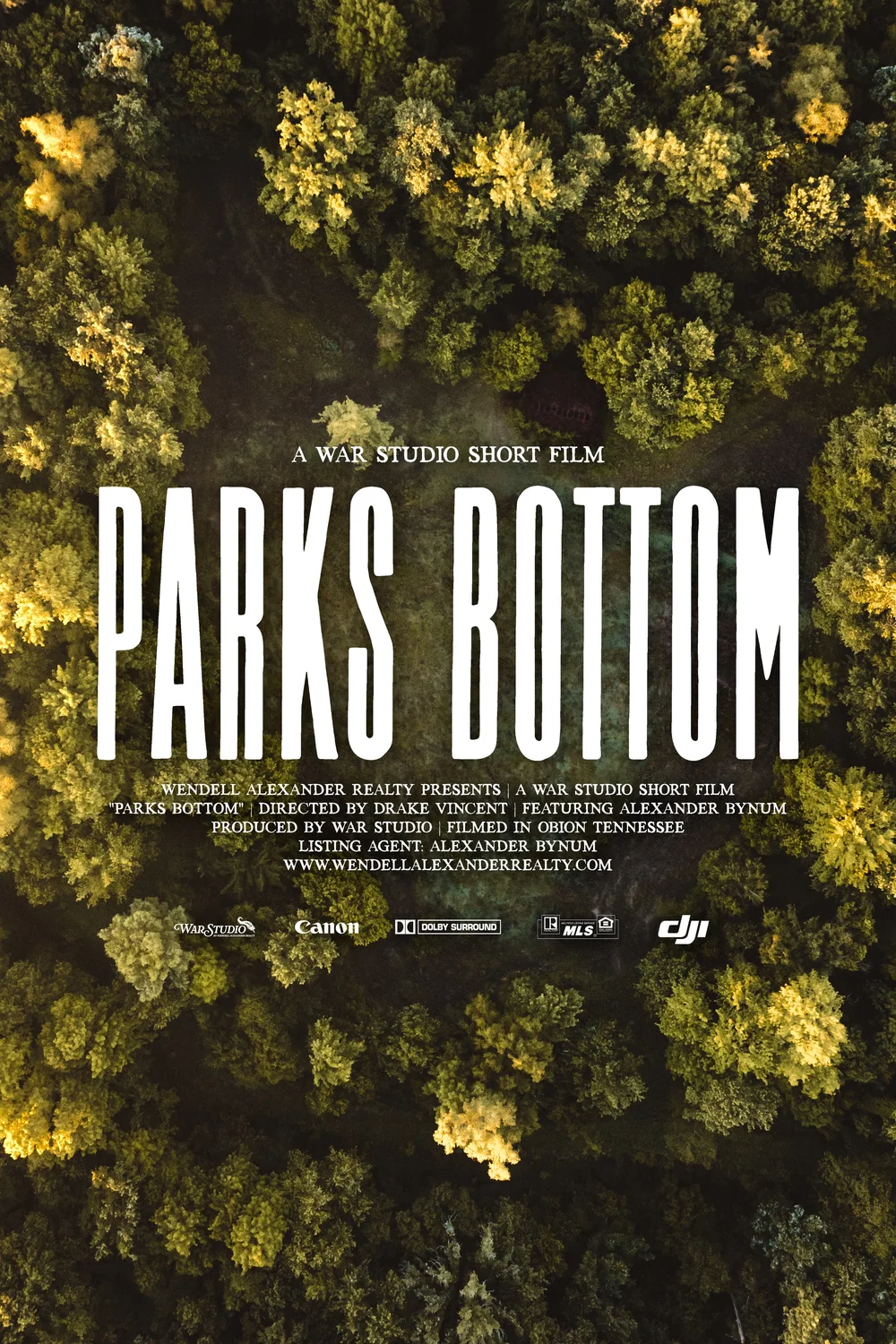
Parks Bottom
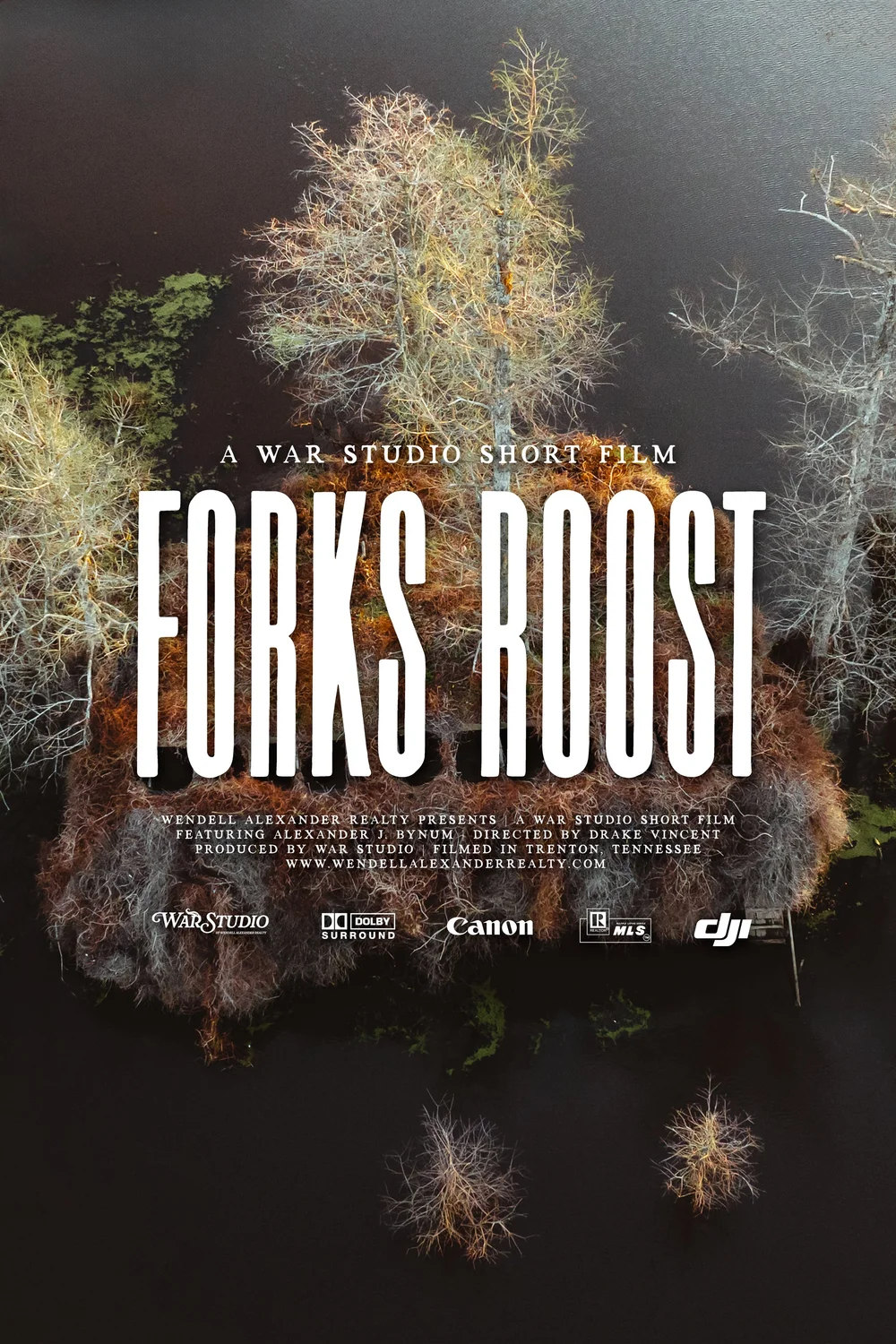
Forks Roost
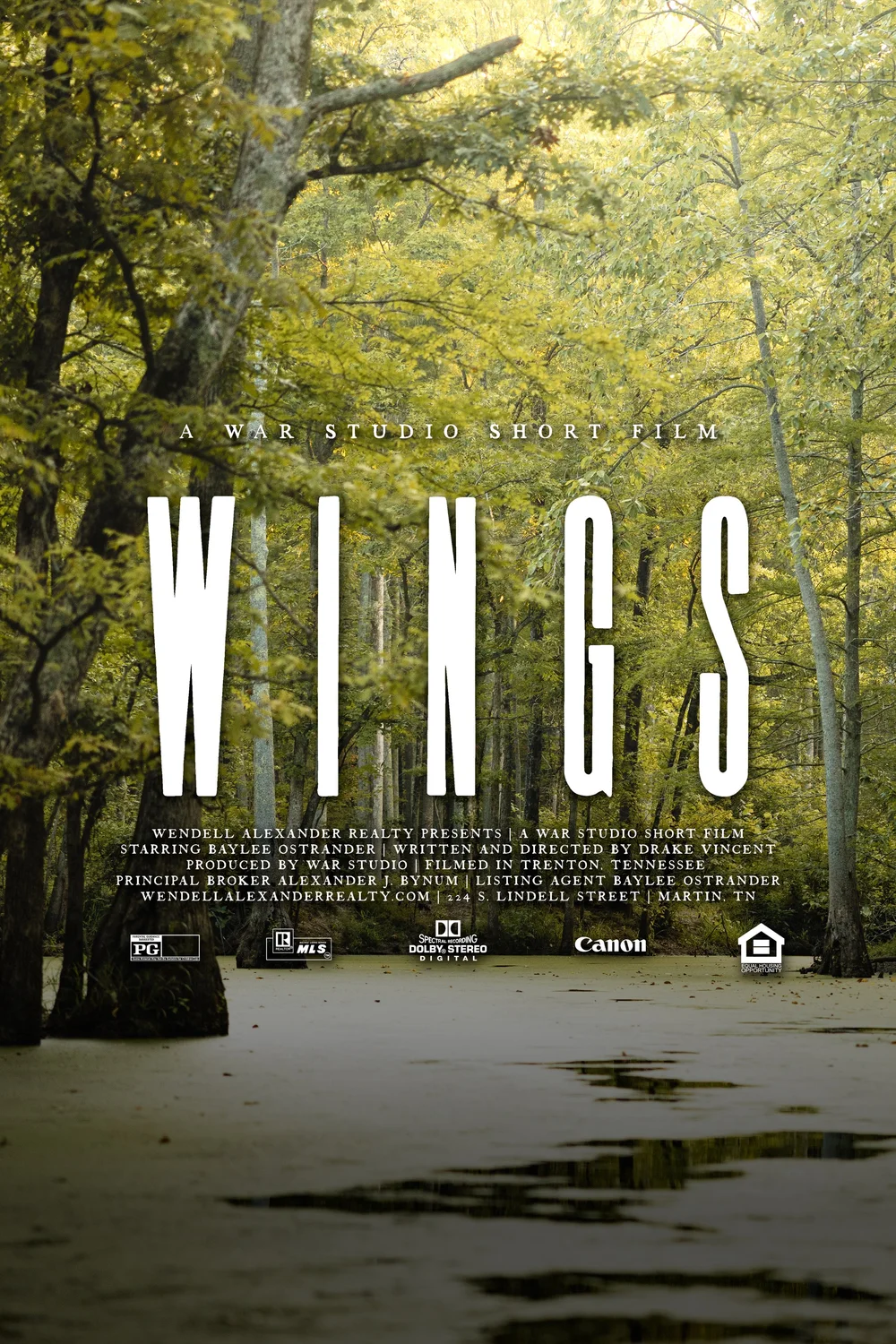
Wings
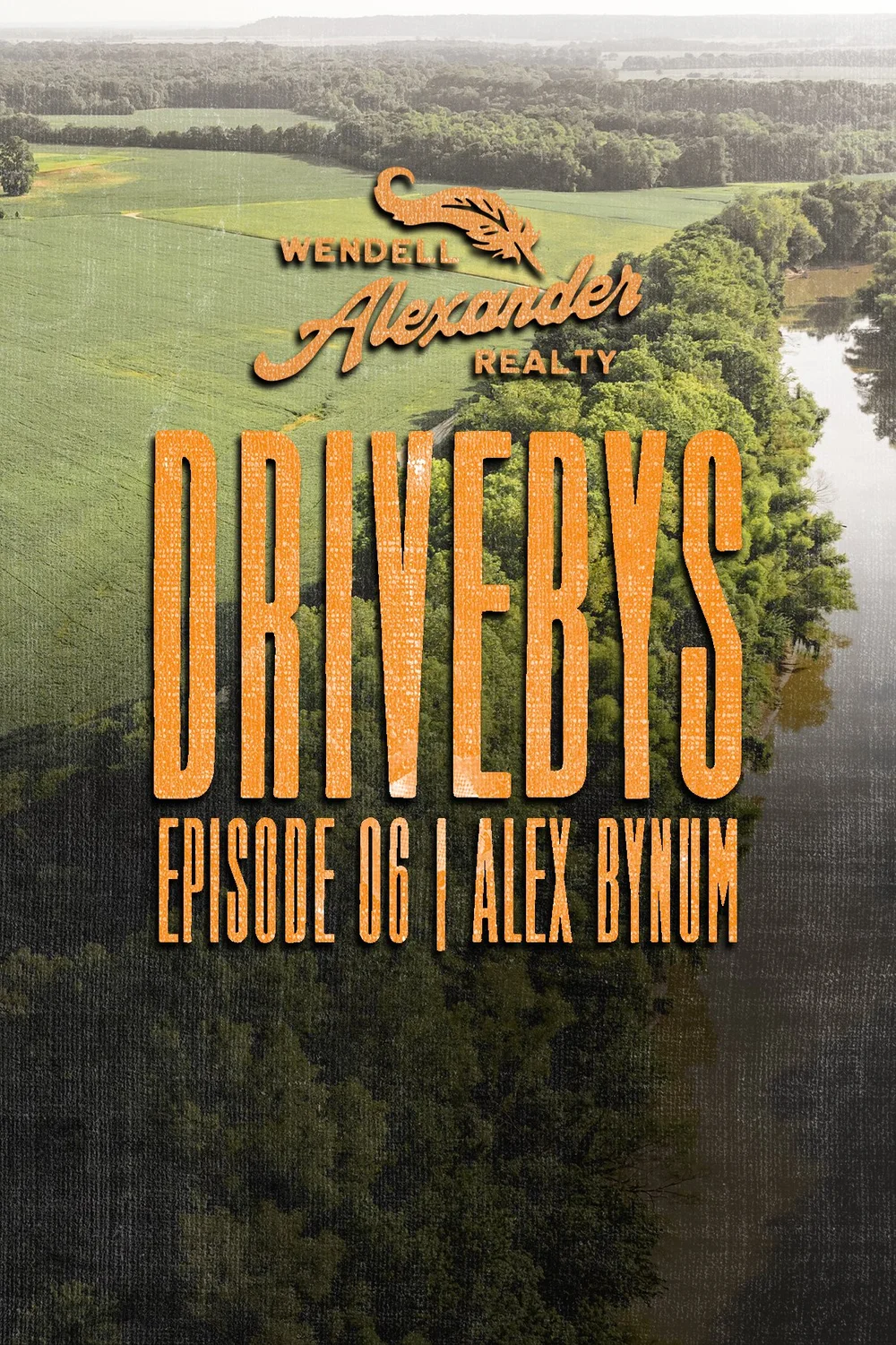
Episode VI
Alexander J. Bynum and Drake Vincent head to Finley, Tennessee, to explore DuckThorn, a 66± acre recreational and agricultural farm positioned in the heart of an established West Tennessee waterfowl corridor.
From the seat of a Can-Am, they tour the property and take a closer look at its row-crop production, waterfowl potential, Obion River frontage, and location adjoining Thorny Cypress Wildlife Management Area.
Episode V
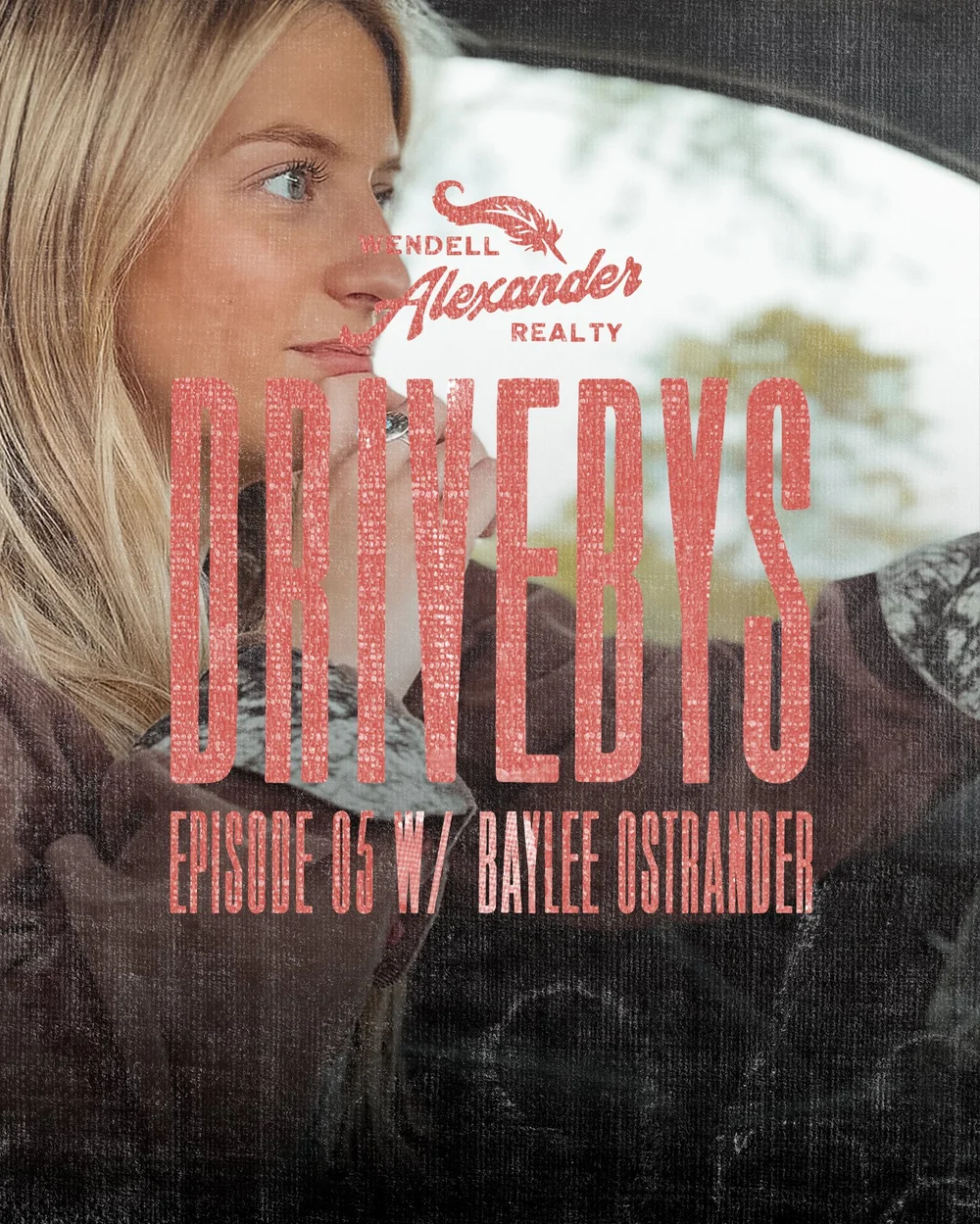
In this episode of DRIVEBYS, Baylee Ostrander, joined by Drake Vincent, tours a rare find in McKenzie—a 3 bed, 1 bath home on 34.6± acres of versatile West Tennessee ground. With potential row crop acreage and a natural swamp along the South Fork Obion River, the property offers built-in waterfowl habitat and year-round recreation.
Baylee even takes it to the water in her custom Havoc boat, giving a firsthand look at what makes this tract stand out. Land, water, and opportunity—all in one.
Episode IV
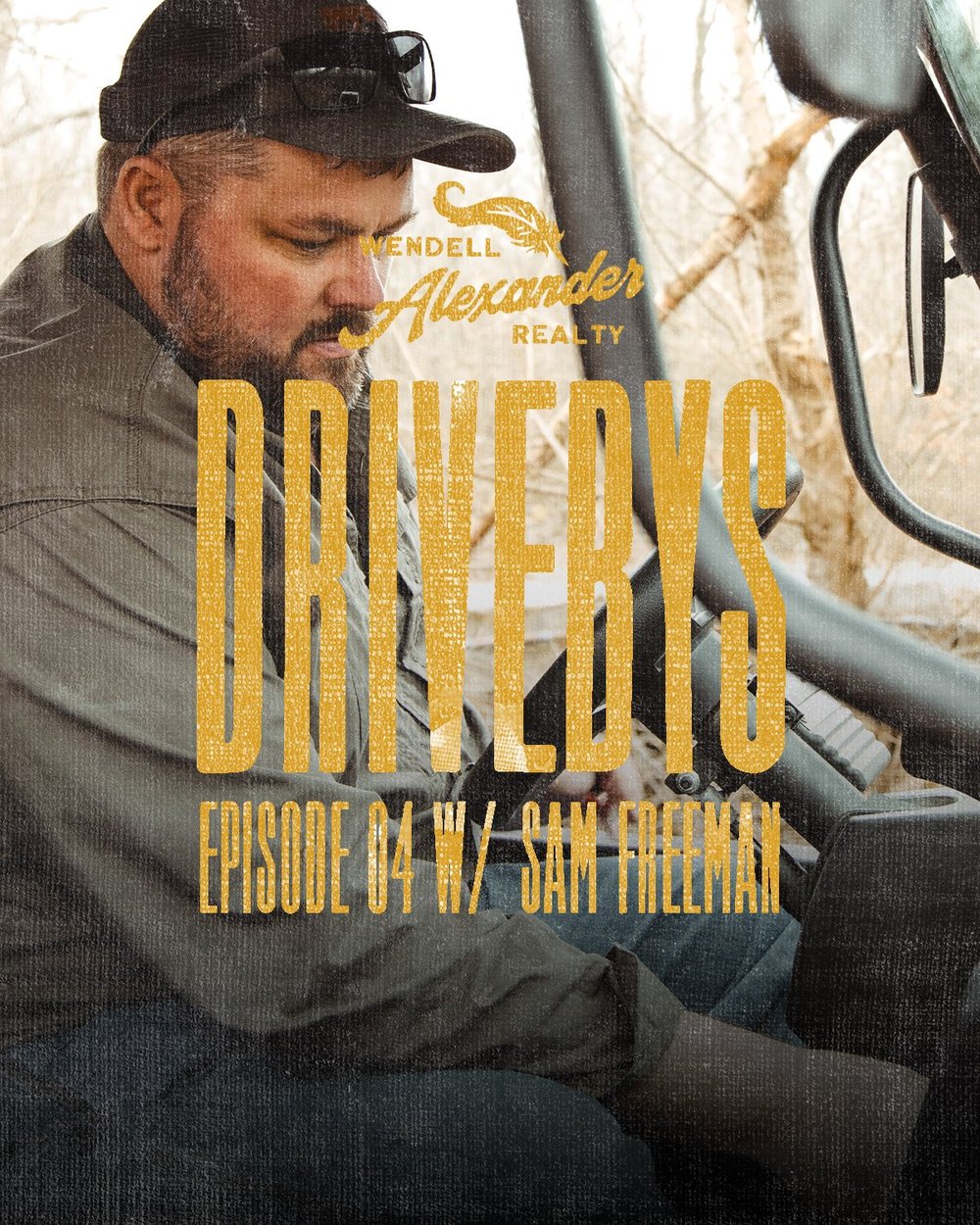
Sam Freeman and Drake Vincent head to Henry County to break down a versatile hunting tract built for those who want options. From a potential waterfowl hole fed by the adjoining river to dry ground that naturally pulls in deer and turkeys, this place adapts to how you want to hunt.
93 acres of mature hardwoods set the stage, and they cover it all—on the ground and from above.
Episode III
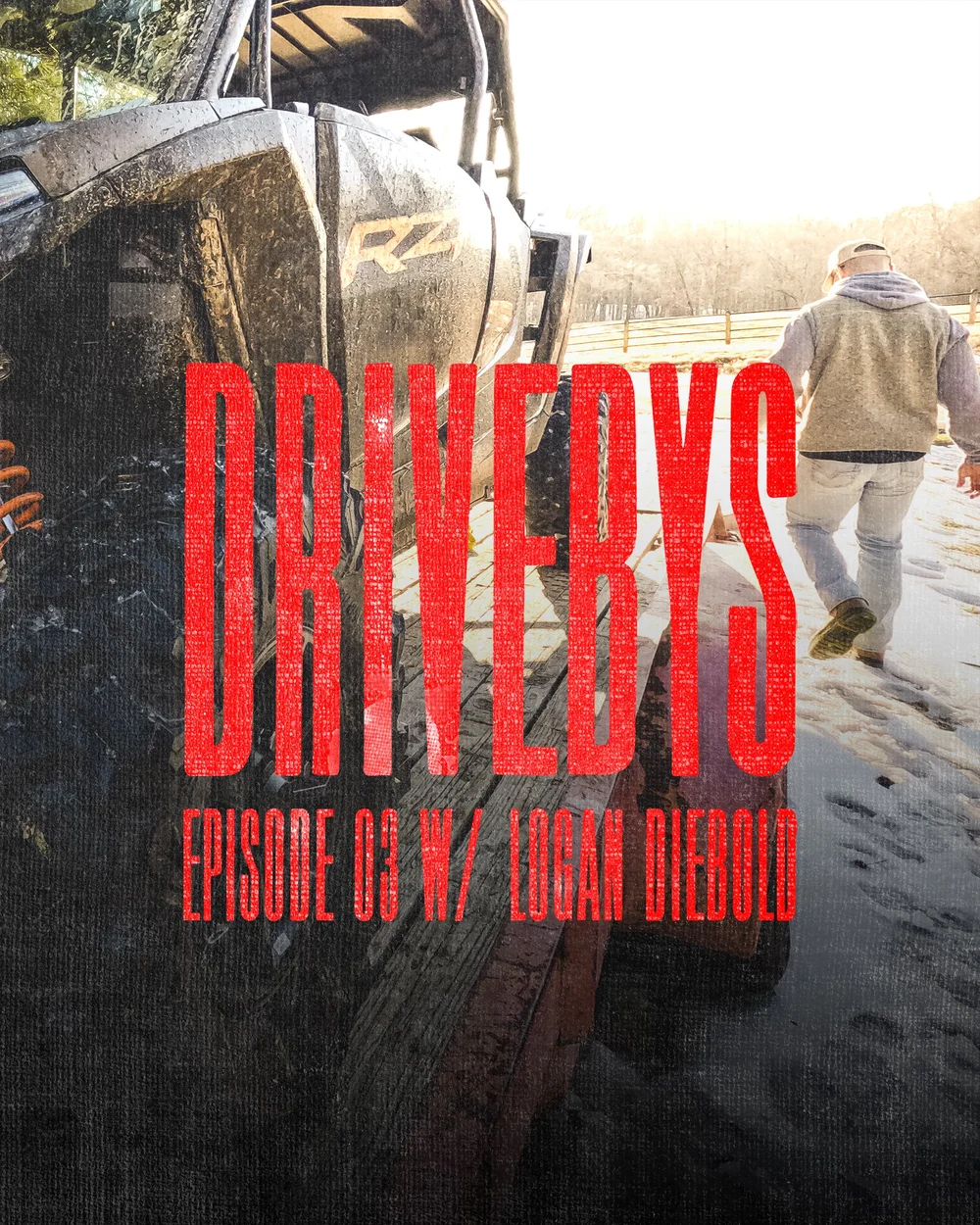
Logan and Drake hop in Logan’s Polaris RZR and hit the HWY 118 Farm located in Dresden, TN. In this episode, they cover three tracts totaling a hefty 155± acres.
Rolling pasture, mature hardwoods, a mobile home overlooking a large pond, and enough ground to keep the throttle down for a while.
Episode II
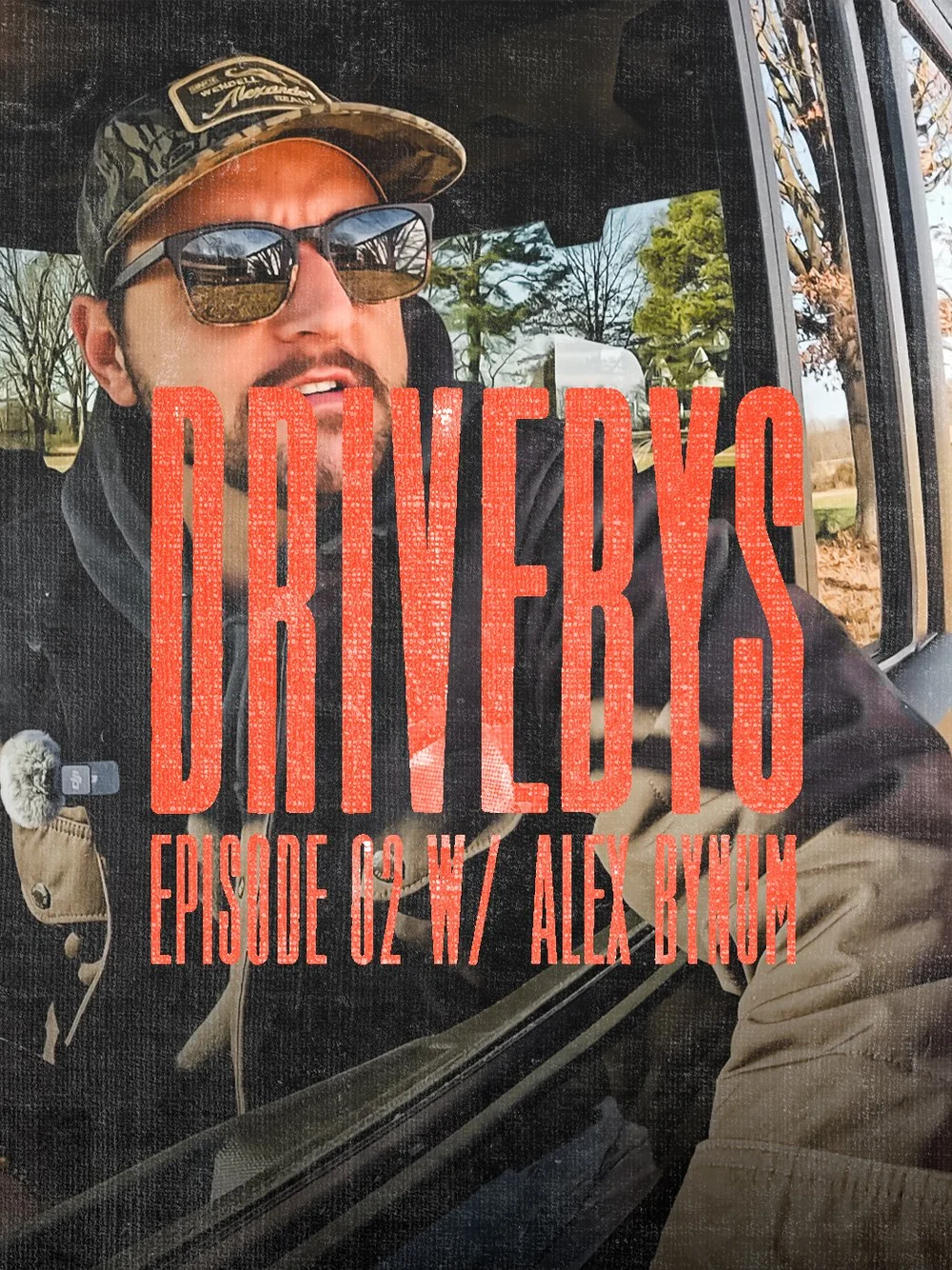
Join Alex and Drake as they explore the vast 48 acres of the Mud Creek 48 Farm in Sharon, Tennessee. In this episode, Alex explains the importance of soil health, and how this farm has just that, and much more.
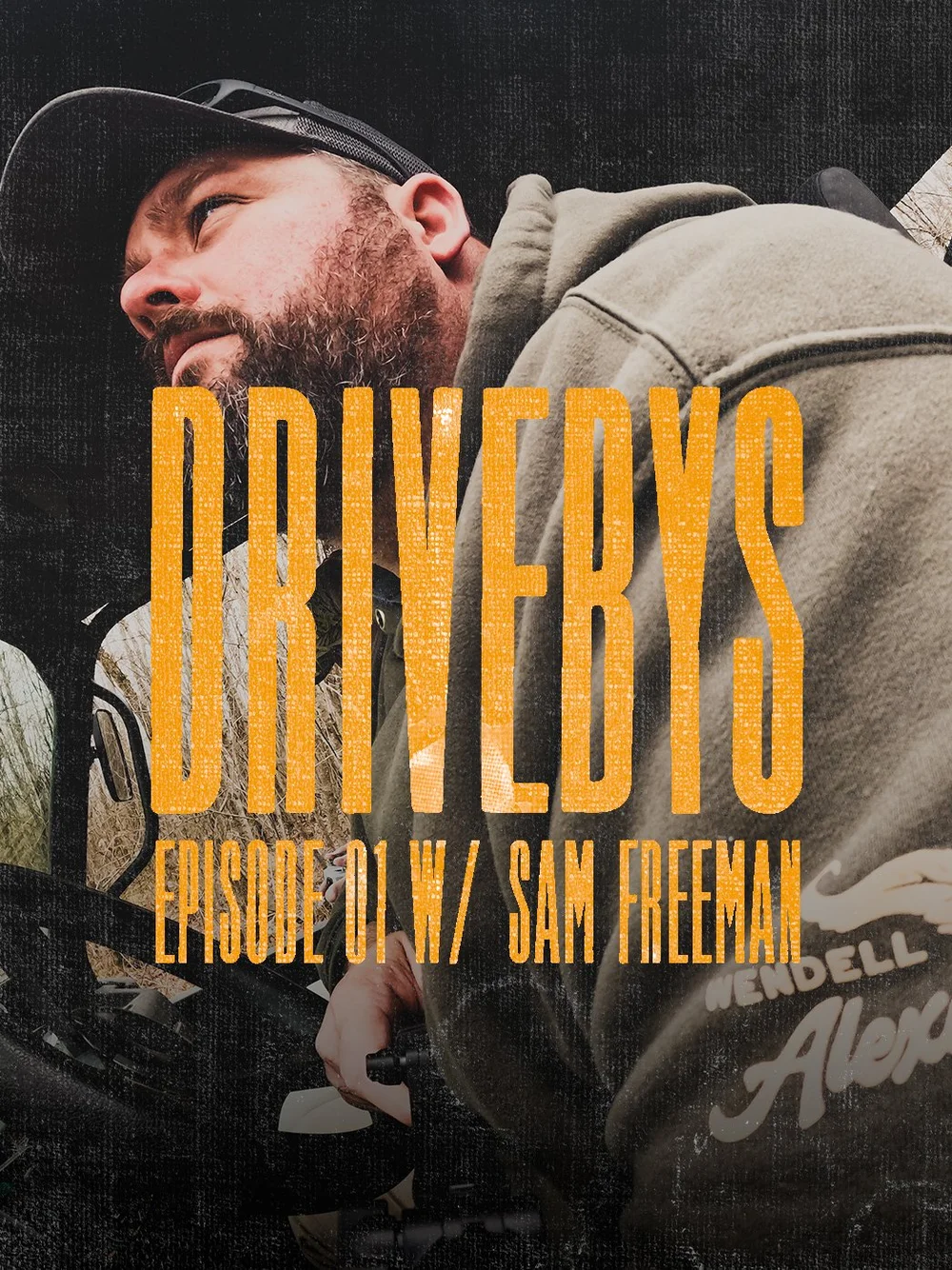
Episode I
Join Sam and Drake in Counce, Tennessee as they explore a 108 acre recreational farm. Sam discusses the high potential of waterfowl, turkey and deer hunting on this rare find in Hardin County.
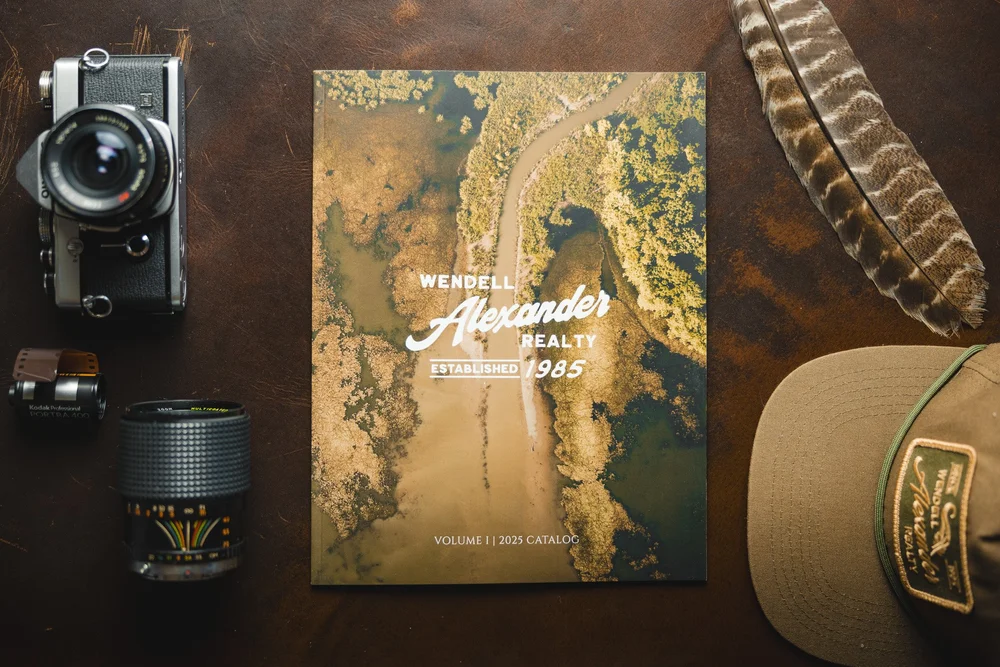
Volume I | 2025 E-Catalog
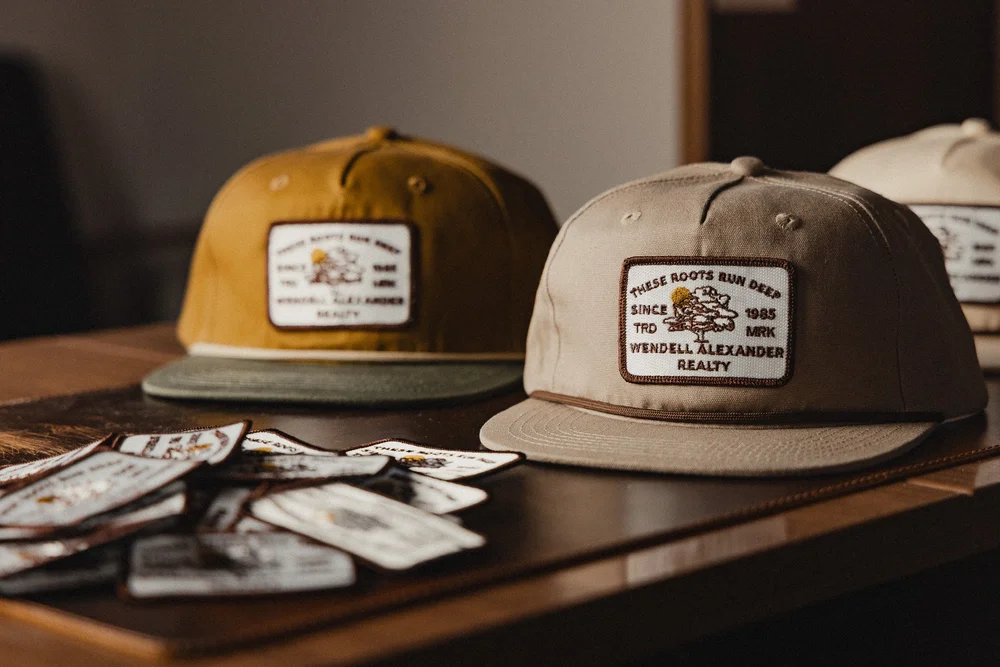
Project .002 | Roots
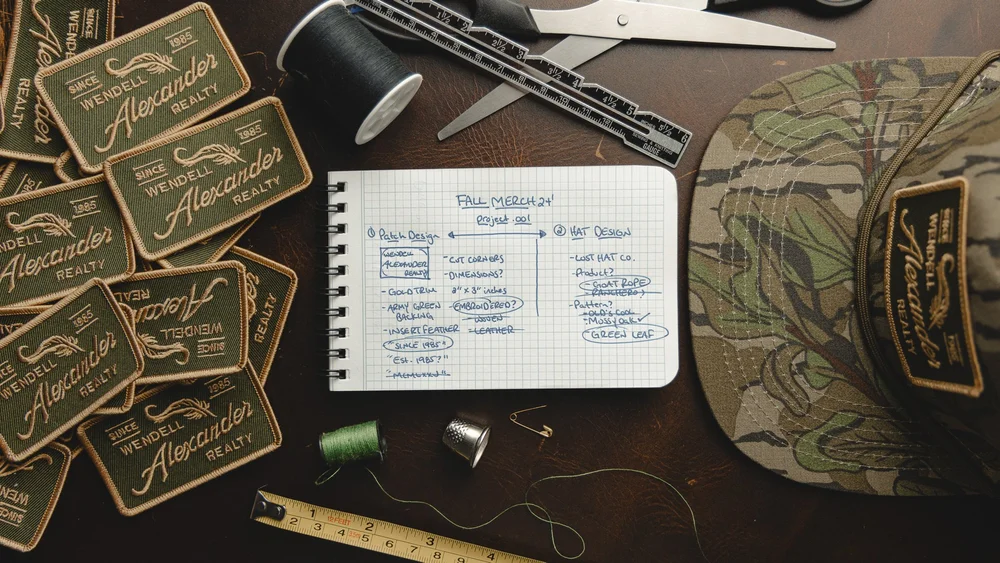
Project .001 | WAR x Lost Hat Co.

Wendell's Mixtape
Got a place worth telling a story about?
If your place deserves more than a sign in the yard, we’d like to hear about it.
Let’s Talk